


Call Us
+86-19518020980
Email Us
chloe@kebonfirstaid.com

UKCA or CE? UK Medical Device Rules for First Aid Kits
Selling First Aid Kits in the UK in 2026: CE, UKCA and What the New MHRA Reforms Mean for Importers
There is a persistent myth among overseas suppliers that the United Kingdom is simply "Europe with a different flag" — that a CE-marked first aid kit walks into the British market with no extra work. For a while, transition arrangements made that roughly true. In 2026, it is becoming a costly assumption.
Two things are happening at once. First, the UK is designing a new medical device framework of its own, with legislation tabled in Parliament in September 2026. Second, workplace first aid expectations in Britain are tightening around trauma care — including a growing emphasis on catastrophic bleeding equipment. If you import or distribute first aid kits into the UK, both matter to your product line.
Here is what the rules actually require today, what is changing, and how to keep your UK access intact through the transition — written from the manufacturing side of the table.1. The UK baseline: what actually applies to first aid kits right nowGreat Britain — England, Scotland and Wales — operates under its own rules, the Medical Devices Regulations 2002 as amended. Northern Ireland is different again, and we will come to that.
Under the current GB framework, four things are true for a first aid kit placed on the British market:
Registration with the MHRA is mandatory. Devices must be registered with the Medicines and Healthcare products Regulatory Agency before being placed on the GB market.
A UK Responsible Person (UKRP) is required. If you are a manufacturer established outside the UK, you must appoint a UKRP, which registers devices and carries out specified compliance functions on your behalf. This is a legal requirement, not a courtesy — and it applies regardless of how the CE/UKCA question is resolved.
UKCA marking exists as the domestic route. The UKCA (UK Conformity Assessed) mark is the domestic conformity-marking route. Where third-party assessment is needed, it is performed by a UK Approved Body; certain non-sterile, non-measuring Class I devices may be self-certified. Note one structural fact that catches people out: UK Approved Bodies cannot issue CE certificates, and EU notified bodies cannot issue UKCA certificates — they are separate systems.
CE marking is still accepted, under time-limited arrangements. Qualifying CE-marked products continue to be accepted in GB during defined transition periods. This is the part everyone relies on, and the part they misunderstand most.2. The deadlines that actually matter: 2028 and 2030The CE transitional arrangements are product- and legal-basis-specific, and the date depends on which directive or regulation your certificate rests on:Devices compliant with the former EU MDD or AIMDD may generally be placed on the GB market until the earlier of the certificate expiry date or 30 June 2028.Devices compliant with the EU MDR or IVDR — including qualifying custom-made devices — may generally be placed on the GB market until 30 June 2030.IVDD-compliant devices generally have until the earlier of certificate expiry or 30 June 2030.For first aid kits, most conventional products sit in the Class I category and are often self-declared. That makes it tempting to assume "we are fine either way." But the distinction between an MDD-based and an MDR-based file is the distinction between 2028 and 2030 — two extra years of market access riding on which paperwork you hold. If your CE documentation still rests on the older MDD, the clock is materially shorter than you think.3. What happened in September 2026: the licensing proposalOn 1 September 2026, the UK government tabled three amendments to its Health Bill covering medicines and medical device regulation. The MHRA was explicit that these do not introduce immediate changes — but they create the legal basis for significant future reform. The three amendments would:
1. Give the MHRA clearer information-sharing powers with trusted UK government bodies and international regulatory partners, subject to statutory criteria and data-protection rules.
2. Allow the statute book to keep pace with technical standards, so legislation can automatically reflect updates to technical standards and international guidelines, with targeted consultation for minor changes and full public consultation reserved for significant reforms.
3. Create enabling powers for a future GB medical-device licensing regime. Under the model being explored, devices placed on the GB market via a domestic route could in future require an MHRA-issued licence, replacing reliance on third-party conformity assessment, with risk-proportionate scrutiny. Software and AI devices are cited as a reason for more adaptable rules.
What does not change yet, and this is important for planning:UKCA remains in place while any future model is designed.CE acceptance continues under the existing transitional arrangements.International reliance and recognition policy is unchanged, per the MHRA.Northern Ireland continues to apply EU MDR and IVDR under the Windsor Framework — which means NI retains dual market access to the EU Single Market and the rest of the UK. UKCA does not apply in Northern Ireland.Detailed design of any licensing regime still has to pass through policy work, consultation, impact assessment and Parliament. And a new pre-market legislative package is anticipated later in 2026 — widely expected to be the most significant UK device regulatory event since Brexit.
The practical translation for importers: do not assume indefinite CE recognition is confirmed. It has not been. The MHRA deferred the decision in 2026 rather than granting it. Building UKCA into your roadmap as a contingency is prudent strategy, not wasted effort.4. The workplace side: HSE is raising the bar on traumaRegulation is only half the UK picture. The Health and Safety Executive's expectations for workplace first aid are also moving, and they point in a now-familiar direction.
The Health and Safety (First-Aid) Regulations 1981 remain the foundation, requiring adequate and appropriate equipment, facilities and trained personnel. Workplace kits are typically specified to the BS 8599-1 standard. High-risk sites generally require the fuller First Aid at Work qualification rather than basic emergency training, and sites above 50 workers must have at least one FAW-trained person per 50 employees.
The 2026 emphasis is on trauma-informed first aid. Because construction and industrial accidents can involve severe lacerations and limb injuries, the HSE now looks favourably on sites that go beyond the standard first aid box and include catastrophic bleed kits alongside it — with staff trained to use windlass tourniquets and haemostatic dressings. In the minutes before an ambulance reaches a busy site, those tools are the difference between life and death. Signage requirements have tightened too: compliant signs must feature a white pictogram on a green background, placed high enough to be seen, and understandable regardless of a worker's first language.
The direction is unmistakable, and it is the same one we see in Canada's updated CSA Z1220 standard and in the US ANSI framework: bleeding control is moving from specialist equipment to baseline expectation. For distributors selling into UK industrial and construction accounts, that is a product-line signal, not just a training note.
Wondering whether your current kit line still meets UK workplace expectations? Send us your content list and we will map it against BS 8599-1 and the 2026 trauma-care emphasis, then flag exactly what would need to change — no obligation, and no sales script.5. A practical checklist for UK-bound first aid kits1. Check what your CE certificate rests on. MDR-based or MDD-based? The answer decides whether your GB access runs to 2030 or 2028.
2. Confirm your UKRP appointment is current — and that their DORS registration is active. A lapsed UKRP is a silent compliance failure that surfaces at the worst possible moment.
3. Verify MHRA device registration for the specific products and configurations you sell into GB.
4. Build UKCA as a contingency scenario. You do not need to switch today. You do need a documented answer to "what would we do if CE recognition ended?" — including which UK Approved Body you would use and what assessment would be required.
5. Separate your GB and EU labelling. UKCA-marked product going to GB; CE-marked going to the EU. Northern Ireland follows EU rules. One combined "European" label is a compliance risk across three regimes.
6. Match configurations to BS 8599-1 for workplace accounts, and prepare a bleed-kit addition for industrial and construction customers.
7. Watch the H2 2026 legislative package. Its contents will define the long-term framework. Plan on a review cycle rather than assuming today's position is permanent.6. Where Kebon fitsAt Yiwu Kebon Healthcare, we manufacture first aid kits and tactical medical ranges for importers, distributors and brands across Europe, North America and the Middle East. Our quality system is certified to ISO 13485:2016, and our products carry CE marking, UKCA marking and FDA registration as applicable — the documentation package UK buyers increasingly ask to see before quoting.
What we bring to UK-bound programmes specifically:
**Documentation-ready compliance. Certificates, declarations of conformity and component-level documentation prepared so your UKRP and MHRA registration work moves quickly rather than stalling in email threads.
**Multiple market configurations from one factory. GB-spec, EU-spec, Canada-spec and US-spec kits built on the same production line — which matters when your labelling and contents must diverge by market.
**Bleeding control as a core category. Our military and tactical ranges are built around tourniquets and haemostatic components, which means the bleed-kit upgrade UK industrial customers are now asking for is routine production for us, not a special project.
**A full workplace range. From home and industrial first aid kits to first aid boxes and medical consumables for restocking programmes.
**Accessible order economics. 500-piece MOQ per model and roughly 30-day standard production, with a 24-hour quote turnaround.
Building or reviewing a UK product line? Send us your target configurations — we will return a compliance-mapped proposal covering certifications, labelling and lead time so you can plan your GB access with real dates instead of assumptions.
7. FAQ: UK market access for first aid kitsCan CE-marked first aid kits still be sold in Great Britain in 2026? Yes. Under current transitional arrangements, MDR-compliant CE-marked devices are accepted in GB until 30 June 2030; MDD-compliant devices until 30 June 2028. These timelines remain in force.
Is UKCA marking mandatory yet? Not for most devices — CE continues to be accepted during transition while the new framework is developed. But UKCA has not been abolished, and the forthcoming pre-market legislation will clarify whether it ultimately becomes mandatory. Treat it as a live contingency.
Do I need a UK Responsible Person? Yes, if you are a manufacturer established outside the UK and you place devices on the GB market. Confirm the appointment is current and the registration is active.
What is the safest regulatory strategy for a manufacturer? Pursue EU MDR conformity assessment as the primary route — it covers both EU and GB access under current arrangements and positions you favourably whichever direction the UK ultimately takes.
Does Northern Ireland follow UK or EU rules? EU rules. Under the Windsor Framework, NI applies EU MDR and IVDR and carries CE marking. UKCA does not apply there.
Do workplace kits need to meet BS 8599-1? It is the standard UK employers and safety managers reference for workplace kit contents. If you serve UK workplace accounts, build to it — and expect growing demand for added bleeding-control equipment.Regulation will settle. Market access should not be left to chance.The UK is mid-reform, and the businesses that navigate it well are the ones treating CE, UKCA and MHRA registration as an active programme rather than a certificate in a drawer. Check which legal basis your CE file rests on, confirm your UKRP, and have a UKCA plan on paper.
Get a quote within 24 hours → Tell us which UK configurations you need, and we will send certification documentation, labelling specs and a production schedule — MOQ 500, ~30-day production. You can also reach our team through our contact page.
Send Inquiry




X
We use cookies to offer you a better browsing experience, analyze site traffic and personalize content. By using this site, you agree to our use of cookies.
Privacy Policy
News
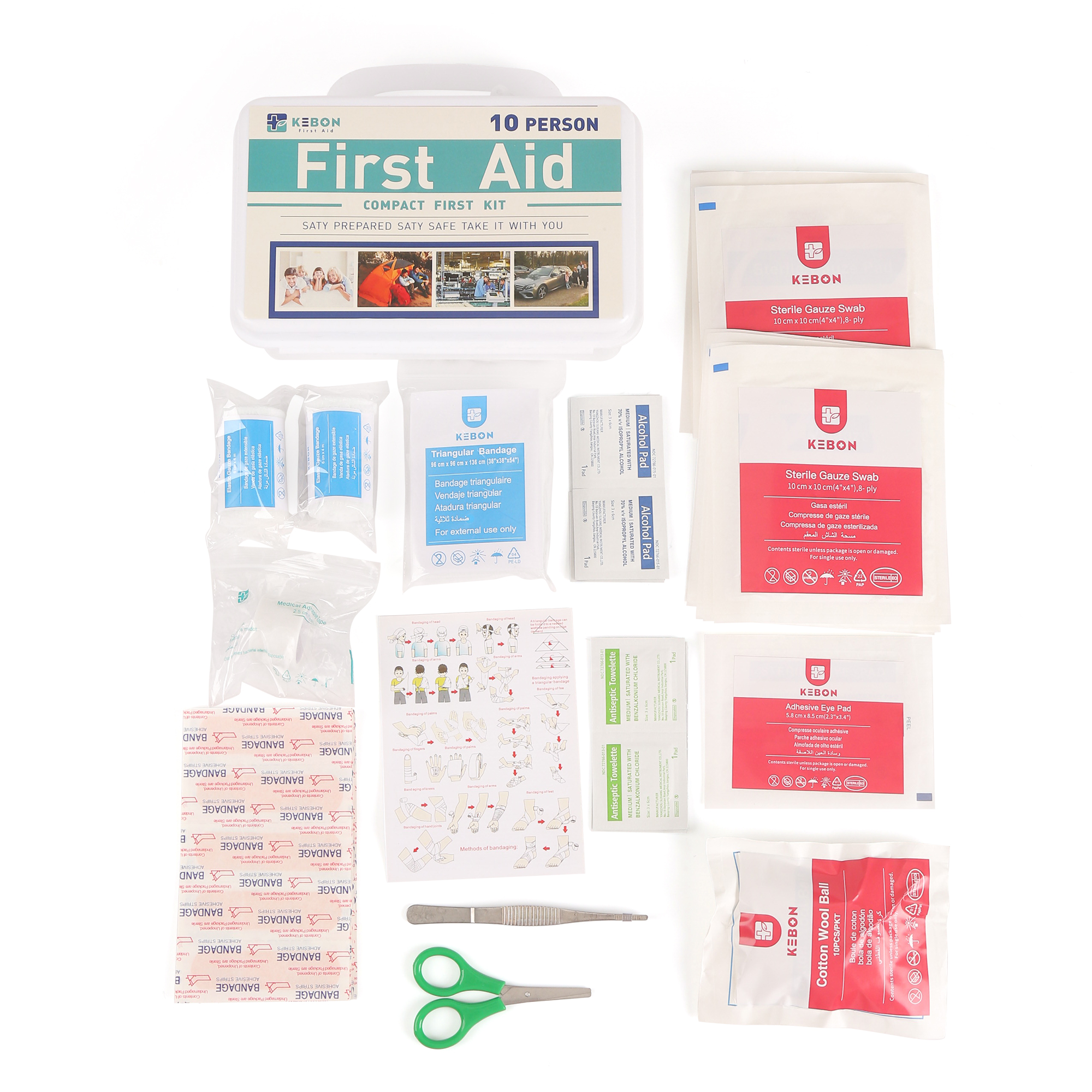 Why "Missing Items" Drive First Aid Kit Returns2026/09/22
"Missing items" and "small size" are the top complaints in online first aid kit reviews. Here is how private label sellers can spec kits that earn 4.8 stars.
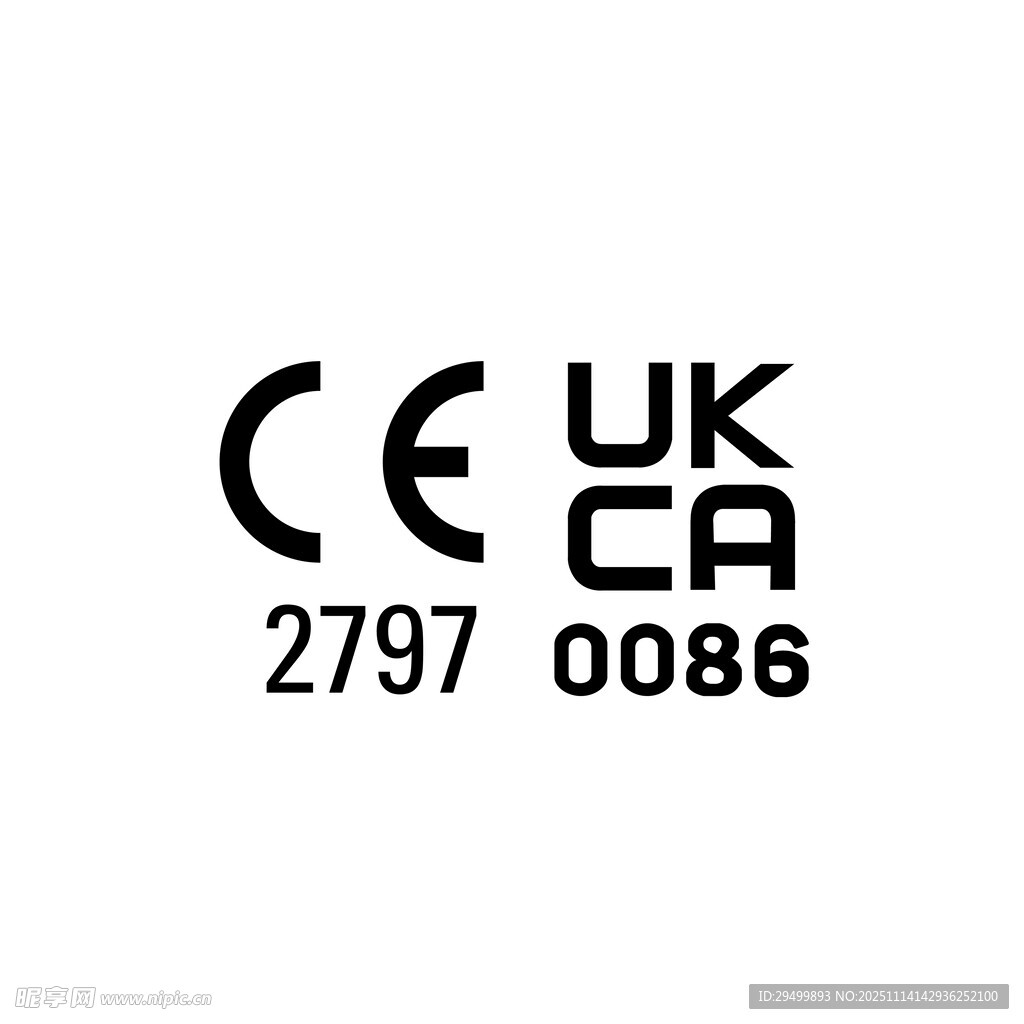 UKCA or CE? UK Medical Device Rules for First Aid Kits2026/09/22
UK medical device rules are shifting again. What CE and UKCA really require for first aid kits in 2026, the 2028/2030 deadlines, and what to do now.