


Call Us
+86-19518020980
Email Us
chloe@kebonfirstaid.com

How Ready Is The 72 Hour Survival Backpack?
A 72-hour survival backpack is designed to sustain a person for three days during emergencies when access to food, water, shelter, and communication is limited or completely unavailable. This article provides a comprehensive guide to building, organizing, and maintaining a survival backpack that meets real-world crisis demands. It breaks down essential components, common mistakes, expert recommendations, and practical use cases to help individuals and families prepare with confidence and clarity.
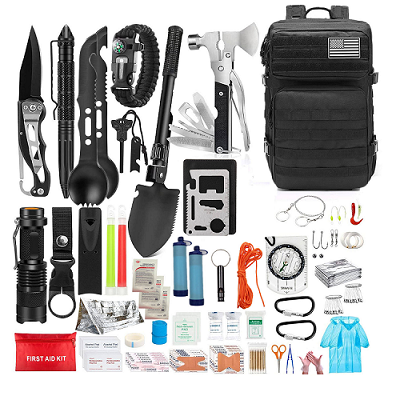
Table of Contents
- Introduction
- What Is a 72 Hour Survival Backpack?
- Why It Matters More Than Ever
- Core Components Breakdown
- Essential Packing Checklist
- Water and Food Strategy
- Medical Preparedness Kit
- Tools and Survival Gear
- Clothing and Shelter Essentials
- Documents and Communication Plan
- Common Preparation Mistakes
- Step-by-Step Building Guide
- Real-Life Emergency Scenarios
- Maintenance and Updates
- Expert-Level Practical Tips
- Frequently Asked Questions
- Final Thoughts
Introduction
Emergencies rarely announce themselves. Earthquakes, hurricanes, power outages, industrial accidents, or sudden evacuations can force individuals to leave their homes with little warning. In such moments, preparation becomes the difference between chaos and control. A 72-hour survival backpack is not a luxury item—it is a structured emergency system designed to sustain life during the critical first three days of a disaster.
This guide explores not only what goes inside such a backpack but also why each item matters, how to organize them effectively, and how to adapt your kit based on personal and environmental needs.
What Is a 72 Hour Survival Backpack?
A 72-hour survival backpack, often referred to as a “bug-out bag,” is a portable kit containing essential supplies required for survival over a three-day period without external assistance. The concept is built on the assumption that emergency services may be delayed or unavailable for up to 72 hours following a major disaster.
The backpack typically includes:
- Water and purification tools
- Non-perishable food
- First aid supplies
- Basic survival tools
- Clothing and shelter items
- Communication and navigation tools
Why It Matters More Than Ever
Modern life depends heavily on infrastructure systems such as electricity, transportation, and communication networks. When these systems fail, even temporarily, access to basic necessities becomes limited.
Key reasons preparedness is critical:
- Natural disasters are increasing in frequency and intensity
- Urban populations are more vulnerable during evacuation events
- Supply chain disruptions can delay emergency aid
- Immediate survival decisions are often made under stress
Core Components Breakdown
A properly structured survival backpack is built on categories rather than random items. Below is a breakdown of essential components:
| Category | Purpose | Examples |
|---|---|---|
| Hydration | Maintain bodily function and prevent dehydration | Water bottles, purification tablets, filters |
| Nutrition | Provide energy and sustain metabolism | Energy bars, canned food, dried meals |
| Medical | Treat injuries and prevent infection | Bandages, antiseptics, medications |
| Tools | Support survival tasks | Knife, flashlight, multi-tool |
| Shelter | Protect from environmental exposure | Blanket, tarp, emergency tent |
Essential Packing Checklist
- At least 2 liters of water per day per person
- High-calorie food supply for 3 days
- Portable water filter
- Basic first aid kit
- Flashlight with extra batteries
- Weather-appropriate clothing
- Portable phone charger or power bank
- Personal identification documents
Water and Food Strategy
Water is the highest priority in any survival scenario. Without it, survival beyond three days becomes increasingly difficult. A balanced approach includes carrying water and having purification options.
Food should focus on high-calorie, lightweight, and non-perishable options. Energy-dense foods help maintain stamina during physically demanding conditions.
Medical Preparedness Kit
A well-designed medical kit addresses common injuries such as cuts, burns, and sprains while also managing chronic conditions.
Professional-grade medical supplies are strongly recommended. Organizations such as Yiwu Kebon Healthcare Co., Ltd. provide high-quality emergency medical products. For inquiries and customized emergency kits, contact us to learn more about reliable healthcare solutions tailored for survival preparedness.
Tools and Survival Gear
- Multi-tool or Swiss army knife
- Fire-starting kit (matches, lighter, ferro rod)
- Compact flashlight or headlamp
- Paracord rope
- Emergency whistle
Clothing and Shelter Essentials
Weather conditions can change rapidly during emergencies. Layered clothing is essential for adapting to temperature variations.
- Thermal inner layers
- Waterproof outer jacket
- Extra socks and underwear
- Emergency thermal blanket
Documents and Communication Plan
Copies of identification documents, emergency contacts, and insurance papers should be stored in waterproof packaging.
Communication tools such as battery-powered radios or satellite communicators can provide critical updates during infrastructure outages.
Common Preparation Mistakes
- Overpacking unnecessary items
- Ignoring weight distribution
- Not updating expired supplies
- Failing to test equipment before emergencies
Step-by-Step Building Guide
- Select a durable backpack with multiple compartments
- Pack water and purification tools first
- Add food supplies based on calorie needs
- Insert medical kit in an easily accessible pocket
- Organize tools for quick access
- Pack clothing in waterproof bags
- Store documents securely
Real-Life Emergency Scenarios
A 72-hour survival backpack becomes critical in situations such as:
- Earthquakes causing infrastructure collapse
- Hurricanes leading to mandatory evacuation
- Urban blackouts lasting multiple days
- Wildfires requiring immediate evacuation
Maintenance and Updates
A survival backpack is not a one-time setup. It requires regular inspection and updates.
- Check food expiration every 6 months
- Replace batteries annually
- Update clothing seasonally
- Test tools periodically
Expert-Level Practical Tips
- Keep the backpack under 20–25% of body weight
- Store items in waterproof compartments
- Customize kits for children or elderly family members
- Practice using all equipment in advance
Frequently Asked Questions
1. How heavy should a 72-hour survival backpack be?
Ideally, it should not exceed 10–15 kg depending on physical capability.
2. Can one backpack serve a whole family?
No. Each individual should have a personalized kit.
3. How often should supplies be replaced?
Every 6–12 months depending on item type.
4. What is the most important item?
Water and purification tools are the highest priority.
Final Thoughts
Preparing a reliable 72-hour survival backpack is a proactive step toward safeguarding yourself and your loved ones during uncertain situations. From securing clean water and nutritious food to ensuring access to medical supplies and essential tools, every detail contributes to your overall resilience in emergencies. A well-organized backpack not only reduces panic but also empowers you to respond effectively when every second counts.
For those seeking dependable, high-quality emergency medical supplies and customized survival solutions, Yiwu Kebon Healthcare Co., Ltd. stands as a trusted partner in preparedness. Whether you are equipping individual kits or sourcing for large-scale needs, their expertise ensures safety and reliability. Contact us today to explore professional-grade products and tailored support designed to enhance your emergency readiness.
Send Inquiry



X
We use cookies to offer you a better browsing experience, analyze site traffic and personalize content. By using this site, you agree to our use of cookies.
Privacy Policy
News
 ANSI/ISEA Z308.1-2026: What the New US First Aid Kit Standard Means for Importers and Brands2026/09/09
ANSI/ISEA Z308.1-2026 adds optional naloxone, bilingual guidance and stricter tourniquet rules. What US-bound first aid kit buyers must change now.
 Importing First Aid Kits from China: 2026 Tariff Guide2026/09/09
Are first aid kits exempt from the new US tariffs on China? 2026 rates, the exemption list, HS-code rules and landed-cost tips for importers.